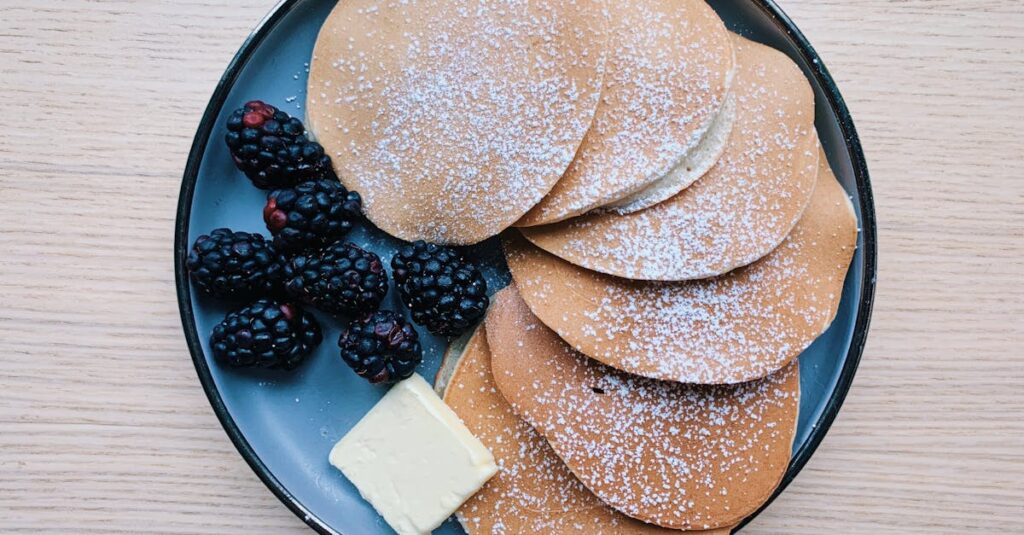
Discover how easy sheet pan pancakes save stressful mornings for busy families, offering a delicious, warm breakfast baked all at once.
The alarm clock rings at precisely six in the morning, and my mind instantly starts calculating the timeline. As a forty-five-year-old single mother of three energetic children, mornings in my household are not a gentle awakening. They are a highly coordinated, high-stakes sprint. Between locating lost school shoes, signing permission slips at the last second, and ensuring everyone has brushed their teeth, there is very little room for culinary elaborate displays. Yet, I refuse to let my children start their day on empty stomachs or, worse, relying on highly processed, sugar-laden convenience foods that leave them crashing before their first school recess. For years, I struggled with the classic breakfast dilemma, especially when my kids clamored for their absolute favorite: warm, fluffy pancakes. I tried standing over a sizzling griddle, flipping circular disks of batter one by one, only to find myself eating alone in a messy kitchen after everyone else had already finished and run out the door. My oldest would complain that the first batch was cold and soggy, while my youngest would cry because his took too long to cook. I was exhausted before my workday even began. That was until I changed my entire morning strategy with easy sheet pan pancakes.
This single culinary shift transformed our chaotic weekday routine into a peaceful, shared experience. Instead of standing captive at the stove like a short-order cook, I discovered that I could bake an entire batch of golden, fluffy batter in a single baking sheet. By utilizing easy sheet pan pancakes, I reclaimed my time, reduced my physical fatigue, and finally managed to sit down and enjoy a hot breakfast with my children. In this comprehensive guide, I want to share the exact methodology, the science of baking the perfect batter, budget-friendly tips for single parents, and customizable topping ideas that satisfy even the most stubborn, picky eaters. If you are tired of morning kitchen exhaustion, let me show you how this simple baking method can bring peace and joy back to your family table.
Why Traditional Pancakes Fail and Why Easy Sheet Pan Pancakes Win
To understand the sheer brilliance of easy sheet pan pancakes, we must first look at the inherent flaws of the traditional stovetop method, especially when you are cooking for a large household. When you make pancakes on a skillet, you are limited by the surface area of your pan. At most, you can cook three or four medium-sized pancakes at a time. This creates a staggered eating schedule. The first person served eats their food hot, while the rest of the family waits. If you try to keep the cooked portions warm in a low oven, they often dry out, losing that signature moist, pillowy texture we all crave. Furthermore, the stovetop method requires your constant, undivided attention. You cannot walk away to help a child find their backpack or pack a lunch box, because a mere thirty seconds of neglect can result in a burnt, ruined breakfast.
According to nutritional and family wellness reports, starting the day with a warm, home-cooked meal fosters better emotional connection and cognitive performance in school-aged children. However, a study on parental stress showed that morning time-pressure is one of the leading contributors to daily parental burnout. This is where easy sheet pan pancakes enter as a total game-changer. By pouring the entire bowl of batter onto a single, large rimmed baking sheet, you outsource the cooking process entirely to your oven. The oven provides consistent, surrounding heat that cooks the batter evenly from all sides. You do not have to flip anything. There is no splattering grease, no smoky kitchen, and no unevenly cooked centers. Most importantly, it frees up a solid twenty minutes of your morning. While the oven does the hard work, you can pack lunches, drink your coffee while it is actually hot, or simply sit on the couch and breathe. When the timer dings, you slice the giant pancake into perfect squares, and everyone sits down to eat at the exact same time. It is a simple shift that yields massive psychological and physical relief.
The Magic Recipe for Easy Sheet Pan Pancakes
Creating the perfect batter for easy sheet pan pancakes requires a slight adjustment from your standard skillet recipe. Because the batter is baked in a large, flat sheet, it needs the right structural integrity to rise beautifully without becoming dense or rubbery. Over the years, I have experimented with countless ratios, and I have perfected a formula that produces a light, airy, cake-like texture that holds up beautifully to heavy toppings like fresh berries, nuts, and chocolate chips. The secret lies in balancing the leavening agents and ensuring you do not overmix the batter. Here is a look at the essential science behind the ingredients and how they work together to create breakfast magic.
Choosing the Right Flour for Easy Sheet Pan Pancakes
For the ultimate fluffy texture, plain all-purpose flour is your best friend. It provides the ideal amount of gluten development. You want enough structure to hold the rise, but not so much that the pancake becomes tough. If you are looking to add some nutritional value for your growing children, you can substitute up to half of the all-purpose flour with whole wheat pastry flour. I highly recommend pastry flour over standard whole wheat flour, as it has a lower protein content, which keeps the baked pancake incredibly tender. Avoid using bread flour, as the high protein content will develop too much gluten during the mixing process, resulting in a chewy, bread-like texture rather than a delicate crumb.
Fats and Liquids: Keeping Easy Sheet Pan Pancakes Moist
To prevent your baked pancake from drying out in the oven, you must use the right combination of fats and liquids. I always use real, unsalted butter that has been melted and cooled slightly. Butter adds a rich, nostalgic flavor that vegetable oils simply cannot replicate. For the liquid component, buttermilk is the absolute gold standard. The acid in buttermilk reacts beautifully with baking soda, releasing tiny bubbles of carbon dioxide that push the batter upward as it bakes, creating an incredibly light and airy interior. If you do not have buttermilk on hand, do not panic. You can easily make a quick substitute by adding one tablespoon of fresh lemon juice or white vinegar to a cup of regular milk and letting it sit for five minutes until it curdles slightly. This simple trick has saved my budget and my sanity on many busy school mornings.
Step-by-Step: How to Bake Easy Sheet Pan Pancakes
Now that we understand the ingredients, let us walk through the simple, step-by-step process of preparing and baking your easy sheet pan pancakes. This process is so straightforward that my teenagers often prepare it themselves on weekends, giving me a much-needed opportunity to sleep in past seven o’clock.
- Step 1: Prep the Oven and Pan. Start by preheating your oven to 425 degrees Fahrenheit (220 degrees Celsius). This high heat is crucial because it triggers a rapid release of steam and activates the baking powder immediately, ensuring a dramatic, beautiful rise. Next, take a standard half-sheet baking pan (approximately 18 by 13 inches) and grease it generously with melted butter or a high-quality cooking spray. For extra security against sticking, you can line the bottom of the pan with parchment paper, leaving a slight overhang on the sides so you can easily lift the entire baked pancake out of the pan once it cools.
- Step 2: Mix the Dry Ingredients. In a large mixing bowl, whisk together three cups of all-purpose flour, three tablespoons of granulated sugar, two tablespoons of baking powder, one teaspoon of baking soda, and one teaspoon of fine sea salt. Whisking the dry ingredients first is an essential step, as it distributes the leavening agents evenly throughout the flour, preventing any unwanted pockets of bitter-tasting baking powder in your finished breakfast.
- Step 3: Combine the Wet Ingredients. In a separate, medium-sized bowl or a large glass measuring cup, whisk together two and a half cups of buttermilk, two large eggs, one teaspoon of pure vanilla extract, and six tablespoons of melted, cooled butter. Ensure your eggs and buttermilk are at room temperature if possible; cold ingredients can cause the melted butter to solidify into tiny clumps, which affects the distribution of fat in the batter.
- Step 4: Merge the Mixtures. Pour the wet ingredients into the dry ingredients. Grab a large silicone spatula and gently fold the mixture together. The golden rule of pancake batter is to never overmix. Stop folding when you no longer see any large streaks of dry flour. The batter should look thick, lumpy, and slightly bubbly. Overmixing develops the gluten, which will turn your light, cloud-like breakfast into a dense, disappointing slab of baked dough.
- Step 5: Spread and Decorate. Pour the thick batter into your prepared sheet pan. Use your spatula to gently push the batter into the corners and smooth the top into an even layer. This is the fun part where you can get creative with toppings. Once the batter is spread, you can customize different sections of the pan to suit everyone’s preferences, which I will cover in detail in the next section.
- Step 6: Bake to Golden Perfection. Place the sheet pan on the middle rack of your preheated oven. Bake for twelve to fifteen minutes, or until the top is a beautiful golden brown and a toothpick inserted into the center comes out clean. If you gently press the top of the pancake, it should spring back slightly. Remove the pan from the oven and brush the top with a little extra melted butter for a beautiful, glossy finish and an extra boost of rich flavor. Let it cool for five minutes before slicing into squares.
Topping Combinations for Your Easy Sheet Pan Pancakes
One of the greatest challenges of raising a large family is accommodating everyone’s wildly different food preferences. My oldest child is a self-proclaimed chocolate lover, my daughter prefers tart, fresh fruits, and my youngest likes things completely plain and simple. In the past, customizing individual skillet pancakes was a logistical nightmare that involved multiple bowls of toppings and a chaotic assembly line. With easy sheet pan pancakes, this problem is solved elegantly. Because you have a massive, flat canvas of batter, you can divide the pan into distinct quadrants or strips, allowing you to please everyone simultaneously without extra clean-up.
For the chocolate enthusiast, sprinkle one-quarter of the pan with high-quality semi-sweet chocolate chips and a tiny pinch of flaky sea salt to balance the sweetness. For the fruit lover, load another section with fresh blueberries, sliced strawberries, or raspberries. If you want to add a cozy, autumnal twist to a section, try tossing thin slices of fresh apple in a bit of cinnamon and sugar, then press them gently into the batter before baking. For a nutty, protein-packed option, sliced almonds, chopped pecans, or a swirl of creamy peanut butter make fantastic additions. The beauty of this method is that none of the toppings bleed into the other sections. Everyone gets exactly what they want, and as a mother, I get the satisfaction of watching my children enjoy their customized breakfast side-by-side without a single argument breaking out at the kitchen table.
How to Meal Prep and Freeze Easy Sheet Pan Pancakes
As a single working mother, I have learned that prep work is the key to survival. If I can prepare meals in advance, my future self will thank me immensely during a hectic workweek. This recipe for easy sheet pan pancakes is an absolute dream for meal prepping. Instead of making a fresh batch every single morning, I often double the recipe on a quiet Sunday afternoon. I bake the sheets, let them cool completely to room temperature, and then slice them into individual-sized squares. This batch-cooking approach saves both time and utility energy, making it an incredibly economical choice for middle-aged parents managing a tight household budget.
To freeze the pancake squares for quick weekday breakfasts, lay the sliced portions in a single layer on a parchment-lined baking sheet and place the entire sheet in the freezer for about two hours. Once the squares are frozen solid, transfer them to a large, reusable freezer bag. Freezing them individually first prevents them from sticking together in a giant, frozen block, allowing you to pull out exactly as many pieces as you need on any given morning. When it is time to serve, there is no need to thaw them beforehand. Simply place a frozen square in the toaster on a medium setting, or warm it in the microwave for forty-five seconds to a minute. They emerge hot, soft, and tasting just as fresh as the day they were baked. It is the ultimate shortcut to a warm, satisfying breakfast on mornings when you only have three minutes to spare before rushing out the door to catch the school bus.
Financial and Emotional Benefits for Single Mothers
While the convenience of this cooking method is undeniable, the emotional and financial impact it has had on my life as a midage single mother is what truly makes it special. Raising a family alone means carrying the weight of every decision, every chore, and every financial stretch. When you look at the cost of pre-packaged convenience breakfast items—frozen waffles, individual cereal cups, or processed breakfast pastries—the expenses add up rapidly. Most of those store-bought options are filled with artificial preservatives, excessive sugars, and offer very little nutritional value, leaving kids hungry again within an hour. Making easy sheet pan pancakes from scratch utilizes pantry staples that are incredibly cheap when bought in bulk: flour, sugar, baking powder, and eggs. It is a highly cost-effective way to feed a crowd, allowing me to stretch my household budget further without sacrificing the quality or taste of the food I provide for my children.
Beyond the financial savings, there is a profound emotional benefit to establishing a calm morning routine. For years, my mornings were defined by rushing, raised voices, and a sense of constant, frantic catch-up. By removing the physical stress of standing over a hot stove while trying to manage the morning chaos, I found that my overall patience improved. I was no longer irritable or overwhelmed by the time we left the house. Instead of shouting instructions from the kitchen while flipping batter, I could sit down at the table, look my children in the eyes, and ask them about their upcoming school day. We created a small, sacred window of connection before the busy world pulled us in different directions. That peace of mind is priceless, and it all started with a simple shift in how I prepared our morning meals.
The Verdict: A Simple Kitchen Revolution
In the grand scheme of parenting, it is often the smallest adjustments that make the biggest difference. We do not need complicated, expensive gadgets or gourmet ingredients to make our homes run more smoothly. We simply need practical solutions that align with the realities of modern, busy lives. Transitioning to easy sheet pan pancakes was one of those rare, perfect solutions for my family. It bridged the gap between my desire to provide a warm, loving, home-cooked breakfast and my absolute need for morning efficiency and sanity.
If you are a parent struggling to keep up with the daily morning rush, or if you are tired of feeling like an exhausted short-order cook in your own kitchen, I urge you to give this method a try. Grab your largest baking sheet, whip up a simple batch of batter, invite your kids to help sprinkle their favorite toppings, and let your oven do the heavy lifting. You might find, as I did, that the extra twenty minutes of hands-off time is exactly what you need to start your day with a smile, a warm cup of coffee, and a sense of calm control. Breakfast does not have to be a battleground. With a little resourcefulness and a trusted baking sheet, you can turn chaotic mornings into a beautiful, delicious routine that your family will cherish for years to come.
Frequently Asked Questions
How can I avoid soggy bottoms when making easy sheet pan pancakes for my hungry kids?
To prevent a soggy texture, ensure your oven is fully preheated to 425 degrees Fahrenheit before putting the pan in. The high temperature cooks the bottom quickly, forming a delicate crust. Additionally, avoid over-saturating the batter with extremely wet toppings like frozen fruit that releases excess moisture as it thaws. If using frozen berries, toss them in a teaspoon of flour before sprinkling them on top to absorb extra liquid.
Can I prep the batter the night before to save time with easy sheet pan pancakes?
It is not recommended to mix the entire batter the night before, as the baking powder and baking soda activate immediately upon contact with the wet ingredients. If left overnight, the batter will lose its lifting power, resulting in a flat, dense pancake. Instead, you can measure out and combine all dry ingredients in one bowl, and all wet ingredients in a sealed container in the fridge. In the morning, simply pour them together, stir gently, and bake.
What is the best way to prevent easy sheet pan pancakes from sticking to the baking sheet?
The absolute foolproof method to prevent sticking is to line your rimmed baking sheet with high-quality parchment paper, leaving a slight overhang on the long sides. Grease the parchment paper lightly with melted butter or non-stick cooking spray before pouring the batter. Once baked and slightly cooled, you can use the parchment paper handles to lift the entire pancake block out of the pan onto a cutting board for effortless slicing.
How do I reheat leftover easy sheet pan pancakes without making them rubbery?
For the best texture, avoid overheating them in the microwave, which can make them tough. Instead, place the frozen or refrigerated pancake squares directly into a standard toaster on a medium-low setting. This reheats them thoroughly while restoring the slightly crisp edges. Alternatively, you can place them on a baking sheet, cover them loosely with aluminum foil to retain moisture, and warm them in a 350-degree oven for about five to eight minutes.
