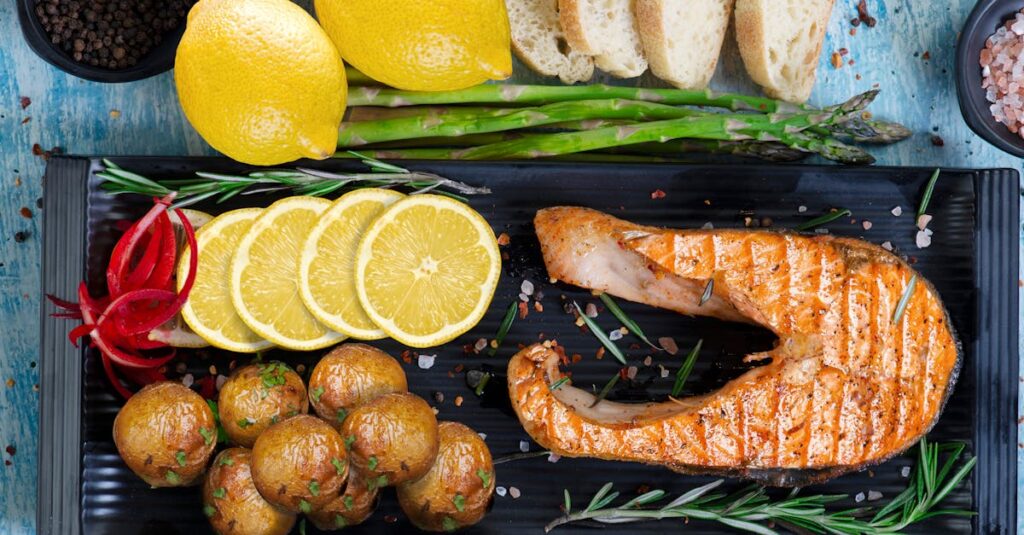
Discover how sheet pan lemon herb salmon and asparagus can transform hectic weeknights into moments of delicious calm. Simple, nutritious, and incredibly satisfying for any family.
Life as a single mother in my mid-forties often feels like a finely choreographed ballet, except sometimes I’m wearing mismatched socks and tripping over my own feet. The rhythm of school runs, work deadlines, homework battles, and the relentless quest for a clean kitchen countertop can be utterly draining. For years, the thought of cooking a truly nutritious and flavorful dinner on a weeknight felt like a pipe dream, reserved for those mythical parents who had an army of personal assistants or simply more hours in their day than I did.
My daughter, Lily, who’s now ten, has always been a pretty good eater, but even she can sense when I’m reaching for the takeout menu out of pure exhaustion. The guilt, oh, the guilt! I knew I needed a better way. I wanted to nourish her, and myself, with wholesome food, food that wasn’t laden with extra sugars or fats, food that tasted fresh and vibrant. But how? My evenings were a blur of activity, and by the time 6 PM rolled around, my energy reserves were often running on fumes.
Then, about two years ago, a friend raved about a “sheet pan dinner” she’d made. My initial reaction was skepticism. Could something so simple truly deliver? I pictured a flimsy baking sheet with sad, limp vegetables and overcooked meat. But her enthusiasm was infectious, and she described the ease, the minimal cleanup, and the way her entire family devoured it. Intrigued, I decided to give it a try. The first attempt was with chicken and broccoli, and while it was decent, it didn’t quite hit that “aha!” moment I was looking for. It was fine, but not transformative.
My real revelation came a few weeks later when I stumbled upon a recipe for sheet pan lemon herb salmon and asparagus. Salmon had always been a favorite of mine, packed with those essential omega-3s, and asparagus was a vegetable Lily actually enjoyed. The idea of cooking them together, seasoned simply with lemon and herbs, felt both elegant and achievable. I bought the ingredients, armed myself with parchment paper (a crucial tip from my friend), and approached the kitchen with a glimmer of hope, not dread.
The Sheet Pan Lemon Herb Salmon Transformation: A Weeknight Miracle
That first time, the aroma that wafted from my oven was intoxicating. The bright, zesty scent of lemon mingling with fragrant herbs and the rich smell of baking salmon was a far cry from the usual hurried microwave dinners. When I pulled the sheet pan out, the salmon was perfectly flaky, golden at the edges, and the asparagus spears were tender-crisp, still vibrant green. Lily, usually cautious with new dishes, took a bite and her eyes widened. “Mom, this is delicious!” she exclaimed, and truly, it was.
That night marked a turning point. The sheet pan lemon herb salmon didn’t just provide a meal; it gave me back precious minutes and a sense of accomplishment. Instead of juggling multiple pots and pans, I had one pan to clean. Instead of standing over a stove, I was able to help Lily with her homework or simply sit and breathe for a few moments while dinner cooked itself. This wasn’t just a recipe; it was a strategy, a small victory in the ongoing battle against the clock.
Why Sheet Pan Lemon Herb Salmon Became My Go-To
There are countless reasons why this particular dish has earned its permanent spot in my weekly rotation, becoming a cornerstone of my dinner planning. It’s more than just a recipe; it’s a framework for easy, healthy eating that truly fits into a busy life.
- Unbeatable Convenience: This is probably the biggest selling point for any busy parent. Everything cooks on a single pan, which means minimal cleanup. No greasy frying pans, no multiple pots simmering. Just one pan, sometimes a small bowl for mixing the seasoning, and that’s it.
- Nutritional Powerhouse: Salmon is a fantastic source of protein and heart-healthy omega-3 fatty acids, which are crucial for brain development and overall well-being. Asparagus adds fiber, vitamins K and C, and folate. Lemon provides a burst of vitamin C and a natural brightness that makes the dish feel fresh and light.
- Speed and Simplicity: From start to finish, this meal can be on the table in under 30 minutes. The active prep time is usually less than 10-15 minutes. It’s a lifesaver when you get home late or when unexpected tasks pop up.
- Flavor Harmony: The combination of lemon and fresh herbs (dill, parsley, thyme, or a mix) perfectly complements the richness of the salmon and the earthy notes of the asparagus. It’s a classic pairing that never disappoints and feels far more gourmet than the effort it requires.
- Customizable: While the basic recipe is stellar, it’s also incredibly forgiving and adaptable. You can swap out vegetables, change the herbs, or add different spices to suit your mood or what you have on hand.
- Kid-Friendly: For many children, the simplicity and appealing colors of this dish make it an easier sell. Lily loves her “pink fish” and green spears. The gentle flavors aren’t overwhelming, making it accessible even for picky eaters.
Selecting Your Stars: Ingredients for Sheet Pan Lemon Herb Salmon
The beauty of this dish truly lies in the quality of its simple ingredients. You don’t need fancy components; just fresh, good ones.
Choosing Your Salmon Fillets
When I’m at the grocery store, I always head straight for the seafood counter. For this recipe, I typically look for four six-ounce salmon fillets. Here’s what I consider:
- Freshness: Look for salmon with vibrant, moist flesh. It should be firm to the touch and smell subtly of the ocean, not overly fishy.
- Skin-on or Skin-off: I usually prefer skin-on fillets for sheet pan cooking. The skin helps protect the fish from drying out and crisps up beautifully, adding texture. If you don’t like eating the skin, it’s easy to remove after cooking.
- Source: Whenever possible, I try to choose sustainably sourced salmon. Many trusted brands or local fishmongers will be able to tell you about their sourcing practices. It’s important to me to make responsible choices when I can.
- Thickness: Aim for fillets of relatively uniform thickness to ensure they cook evenly. This helps prevent some pieces from being overcooked while others are still underdone.
The Asparagus Dilemma: Thin vs. Thick
Asparagus is the perfect partner for salmon on a sheet pan. Its cooking time aligns well with the fish, and its slightly bitter, earthy flavor provides a lovely contrast. When choosing:
- Stalk Size: I generally prefer medium-thick asparagus stalks. Very thin spears can cook too quickly and become stringy, while very thick ones might need a head start in the oven before adding the salmon. Consistency is key for even cooking.
- Freshness Indicators: Look for firm, bright green spears with tightly closed, purple-tinged tips. Avoid any that look limp, wrinkly, or have yellowing at the ends.
Lemon and Herbs: The Flavor Backbone
These aren’t just garnishes; they’re essential flavor builders for your sheet pan lemon herb salmon.
- Lemons: You’ll need at least one, preferably two, fresh lemons. One for zesting and juicing over the fish and vegetables, and the other for slicing into rounds to bake alongside. The acidity brightens everything and helps tenderize the fish.
- Fresh Herbs: This is where you can truly personalize. My go-to is fresh dill, as its delicate, slightly sweet, and grassy notes are a classic match for salmon. Parsley, either flat-leaf or curly, is another excellent choice, adding a fresh, clean flavor. Sometimes, I’ll add a touch of fresh thyme for an earthy undertone. Avoid dried herbs for this recipe; the fresh ones make all the difference in aroma and taste.
Other Essential Pantry Items
- Olive Oil: A good quality extra virgin olive oil is best for coating the vegetables and fish, helping them cook beautifully and adding a layer of rich flavor.
- Garlic: Minced garlic or garlic powder adds a wonderful depth. I usually mince a couple of cloves.
- Salt and Black Pepper: Simple, but crucial for seasoning. I always use freshly ground black pepper.
- Parchment Paper: A non-negotiable for me! It prevents sticking, ensures even cooking, and makes cleanup an absolute breeze.
My Go-To Sheet Pan Lemon Herb Salmon Recipe
Here’s how I prepare my beloved sheet pan lemon herb salmon and asparagus. This isn’t just a list of steps; it’s my ritual, refined over countless busy evenings.
Preparation is Key
- Preheat the Oven: I always start by preheating my oven to 400°F (200°C). This ensures the oven is at the correct temperature when the pan goes in, which is vital for even cooking.
- Line the Pan: Lay a sheet of parchment paper over a large rimmed baking sheet. This isn’t just for easy cleanup; it helps prevent the fish from sticking and can even promote slightly better browning.
- Prep the Asparagus: Wash the asparagus spears thoroughly. To trim them, you can either snap off the woody ends (they’ll naturally break at the right spot) or simply cut about an inch or so off the bottom of each spear. Spread the trimmed asparagus evenly on one side of the prepared baking sheet.
- Season the Asparagus: Drizzle the asparagus with about a tablespoon of olive oil. Add half of the minced garlic, a good pinch of salt, and a few grinds of black pepper. Toss gently with your hands to ensure every spear is lightly coated.
- Prepare the Salmon: Pat the salmon fillets dry with paper towels. This step is important as it helps the skin crisp up and the seasonings adhere better. Place the fillets, skin-side down, on the other side of the baking sheet, leaving a little space between each fillet and between the fish and the asparagus.
- Season the Salmon: Drizzle the salmon with the remaining olive oil. Sprinkle with the rest of the minced garlic, salt, and pepper. Then, generously sprinkle your chosen fresh herbs – I usually use about two tablespoons of chopped fresh dill.
- Lemon Power: Zest half of a lemon directly over the salmon and asparagus. Then, slice the remaining lemon into thin rounds and arrange them over and around the salmon fillets. The lemon zest adds an intense burst of flavor, and the slices release their juices as they cook.
Baking to Perfection
- Into the Oven: Carefully slide the baking sheet into the preheated oven.
- Cook Time: Bake for 12-18 minutes. The cooking time will vary depending on the thickness of your salmon fillets and your oven’s temperament. For six-ounce fillets, 15 minutes is usually perfect for a medium-cooked salmon that is flaky and still moist.
- Check for Doneness: The salmon is done when it flakes easily with a fork at its thickest part. The internal temperature should register 145°F (63°C) if you’re using a meat thermometer. The asparagus should be tender-crisp, bright green, and slightly charred at the tips.
- Rest and Serve: Once cooked, remove the sheet pan from the oven. If desired, you can squeeze a little more fresh lemon juice over everything just before serving. Let it rest for a minute or two, then serve immediately.
The beauty of this meal is its self-sufficiency. It’s a complete meal on its own, but sometimes I’ll whip up a quick side of quinoa or brown rice if Lily is extra hungry, or a simple green salad for myself. The point is, the main act is robust enough to stand alone.
Expanding the Horizon: Variations and Adaptations
While the classic sheet pan lemon herb salmon is a winner, sometimes you want to mix things up. The beauty of the sheet pan method is its versatility. I’ve experimented with various additions and substitutions to keep things interesting and cater to different cravings or what’s available in my fridge.
Vegetable Swaps and Additions
- Broccoli or Broccolini: These are excellent alternatives or additions to asparagus. They roast beautifully, developing lovely crispy edges. Toss them with olive oil, salt, pepper, and garlic, just like the asparagus.
- Bell Peppers and Onions: Sliced bell peppers (any color) and red onion wedges add sweetness and a lovely caramelized flavor when roasted.
- Cherry Tomatoes: These burst in the oven, creating a delicious, saucy element. Add them during the last 8-10 minutes of cooking so they don’t get too mushy.
- Zucchini or Yellow Squash: Cut into half-moons or spears, these add another layer of fresh flavor. Be mindful not to overcrowd the pan, as they release a lot of water.
- Root Vegetables: Diced potatoes, sweet potatoes, or carrots can work, but they need a longer cooking time. If using, I usually give them a 10-15 minute head start in the oven before adding the salmon and other quicker-cooking vegetables.
Herb and Spice Adventures
- Italian Herbs: A mix of dried oregano, basil, and thyme can replace the fresh herbs for a Mediterranean twist. Just remember that dried herbs are more potent, so use a little less.
- Cajun or Old Bay Seasoning: For a spicier kick, a sprinkle of a trusted brand’s Cajun seasoning blend or Old Bay can transform the flavor profile.
- Smoked Paprika: Adds a lovely smoky depth and a beautiful color.
- Ginger and Soy Sauce: For an Asian-inspired flavor, skip the lemon and instead marinate the salmon in a mixture of grated fresh ginger, a splash of soy sauce (or a gluten-free alternative), and a hint of sesame oil. Roast the asparagus separately or with a different seasoning.
Other Protein Options
While this article focuses on sheet pan lemon herb salmon, the method itself is adaptable. If you don’t have salmon, or simply want variety, you can use:
- Chicken Breasts or Thighs: Cut chicken breasts into strips or use bone-in, skin-on thighs for maximum flavor. Adjust cooking time accordingly.
- Cod or Halibut: Other firm white fish fillets work wonderfully with similar seasonings and cooking times.
- Shrimp: Shrimp cooks very quickly, so add it to the pan during the last 5-7 minutes of cooking to prevent it from becoming rubbery.
Overcoming Common Sheet Pan Frustrations
Even with a foolproof method like sheet pan cooking, frustrations can arise. I’ve certainly had my share of learning moments. Here’s how I tackle some common issues to ensure my sheet pan lemon herb salmon always turns out perfectly.
Dry Salmon or Soggy Asparagus
This is probably the most common complaint. Overcooked salmon is dry and unappealing, while soggy asparagus loses its delightful crunch.
- Don’t Overcook: Salmon cooks quickly. Keep a close eye on it. As soon as it flakes easily with a fork, it’s done. Invest in an instant-read thermometer if you’re unsure; 145°F (63°C) is the target.
- Even Thickness: As mentioned, try to get fillets of similar thickness. If one is significantly thinner, you might remove it a minute or two earlier or fold the thin tail end under itself to create more even thickness.
- Avoid Overcrowding: This is critical for vegetables. If you cram too many vegetables onto the pan, they will steam instead of roast, leading to sogginess. Use two sheet pans if necessary, or roast vegetables in batches. Ensure there’s enough space for air to circulate around each piece.
- Asparagus Thickness: If your asparagus is very thick, you might want to give it a 5-minute head start in the oven before adding the salmon. Conversely, if it’s super thin, add it after the salmon has cooked for 5-7 minutes.
Uneven Cooking
Sometimes, one side of the pan cooks faster than the other.
- Rotate the Pan: Halfway through cooking, I often rotate the sheet pan 180 degrees. This helps ensure more even exposure to the oven’s heat.
- Know Your Oven: Every oven has its hot spots. Mine, for instance, is hotter in the back right corner. I adjust by placing items that need more heat there, or simply rotating more frequently.
Fish Sticking to the Pan
No one wants to scrape bits of delicious salmon off the baking sheet.
- Parchment Paper is Your Friend: I cannot stress this enough. Always, always use parchment paper. It creates a non-stick surface and makes cleanup incredibly easy.
- Oil the Pan (even with parchment): Even with parchment, a light drizzle of oil on the fish and veggies ensures they don’t stick to each other and promotes better browning.
Beyond the Recipe: The Bigger Picture of Weeknight Meals
Cooking sheet pan lemon herb salmon and asparagus isn’t just about creating a meal; it’s about reclaiming a part of my day, managing my budget, and fostering a healthier lifestyle for my family. As a single mother, every minute and every dollar counts.
Budget-Friendly Eating
While salmon can sometimes be pricier than other proteins, I find ways to make it work. I look for sales at my local grocery store or a trusted warehouse club. Sometimes, I’ll buy a larger fillet when it’s on sale and portion it out myself. Considering the cost of takeout or less healthy convenience foods, investing in quality ingredients for a home-cooked meal like this often saves money in the long run.
And if salmon is truly out of budget, remember the versatility! Chicken, cod, or even a hearty vegetarian sheet pan meal can be just as satisfying and economical. The technique is the valuable takeaway here.
Meal Prep and Leftovers
One of the hidden benefits of this dish is how well it adapts to meal prep. Sometimes, I’ll cook an extra fillet or a larger batch of asparagus. Leftover salmon is fantastic flaked over a salad for lunch the next day, mixed into a quick pasta dish, or even made into salmon cakes. The asparagus can be reheated gently or enjoyed cold in a salad.
This little bit of foresight means I’m not scrambling for lunch ideas or resorting to unhealthy options when I’m busy the next day. It’s another layer of stress reduction.
Teaching Healthy Habits
Lily often helps me with dinner now. She washes the asparagus, zests the lemon (carefully!), and helps arrange everything on the sheet pan. These aren’t just chores; they’re lessons. She’s learning about fresh ingredients, how food is prepared, and the joy of creating something delicious. It’s a wonderful way to bond and instill healthy eating habits from a young age.
I explain the benefits of the omega-3s in the salmon for her brain and the vitamins in the asparagus. It’s not just about eating; it’s about understanding nourishment. It feels good to know I’m setting her up with a positive relationship with food, rather than just serving her something quickly.
The Joy of Simplicity
In a world that constantly demands more, more, more, there’s profound peace in embracing simplicity. The sheet pan lemon herb salmon is simple, yet it delivers rich flavors and deep satisfaction. It reminds me that good food doesn’t have to be complicated or time-consuming. It just needs to be fresh, prepared with a little care, and enjoyed with those you love.
For me, pulling that gleaming sheet pan from the oven, with its perfectly cooked salmon and vibrant green asparagus, is more than just dinner. It’s a small moment of triumph. It’s a testament to finding efficiency without sacrificing quality, to nurturing my family despite the relentless pace of life, and to showing Lily that even on the busiest of days, we can still gather around a table for something wholesome and truly joyful. This humble sheet pan meal has become a symbol of my enduring commitment to health, happiness, and a little bit of calm in my beautifully chaotic life.
Frequently Asked Questions
How can I stop my Sheet Pan Salmon and Asparagus from turning out dry or soggy?
To prevent dry salmon, ensure you don’t overcook it; aim for an internal temperature of 145°F (63°C) or until it flakes easily. For crisp asparagus, avoid overcrowding the sheet pan so the vegetables roast instead of steam. Using parchment paper helps both elements cook optimally without sticking. Always preheat your oven to the correct temperature for even cooking.
What if my child won’t eat Sheet Pan Lemon Herb Salmon with asparagus?
Patience and presentation are key. Try serving a very small portion of the salmon and asparagus alongside something your child already loves. You can also vary the vegetables – some children prefer roasted broccoli, bell peppers, or sweet potato fries instead of asparagus. Involve them in the preparation process, which can make them more likely to try new foods. Consider different seasonings too; sometimes a simple sprinkle of cheese on the asparagus or a touch of honey-mustard glaze on the salmon can make a difference.
Can I prepare Sheet Pan Salmon with Lemon and Herbs ahead of time for busy evenings?
You can certainly do some prep work in advance. You can wash and trim the asparagus, chop the herbs, and slice the lemon. Store them separately in airtight containers in the refrigerator. However, I recommend seasoning the salmon and vegetables just before baking to ensure the freshest flavor and best texture. Prepping too far ahead might make the salmon fishy or the asparagus limp. The actual cooking process is so quick, it’s best done fresh.
Are there budget-friendly alternatives for Sheet Pan Salmon and Asparagus that still deliver on nutrition?
Absolutely! If salmon is out of budget, consider using other types of fish like cod, tilapia, or even shrimp for a similar quick-cooking, nutritious meal. For vegetables, more affordable seasonal options like broccoli, carrots, or bell peppers roast beautifully. The sheet pan method works wonderfully with chicken breasts or thighs as well. The core concept of a protein and vegetables roasted together with simple seasonings remains incredibly healthy and adaptable to various budgets.
How do I know if my Sheet Pan Lemon Herb Salmon is fully cooked without a thermometer?
The easiest way to tell if salmon is cooked is by gently pressing on the thickest part of the fillet with a fork. If it flakes easily and the flesh is opaque throughout (rather than translucent or raw-looking in the center), it is done. It’s better to slightly undercook than overcook salmon, as it will continue to cook a little bit from residual heat after being removed from the oven.
