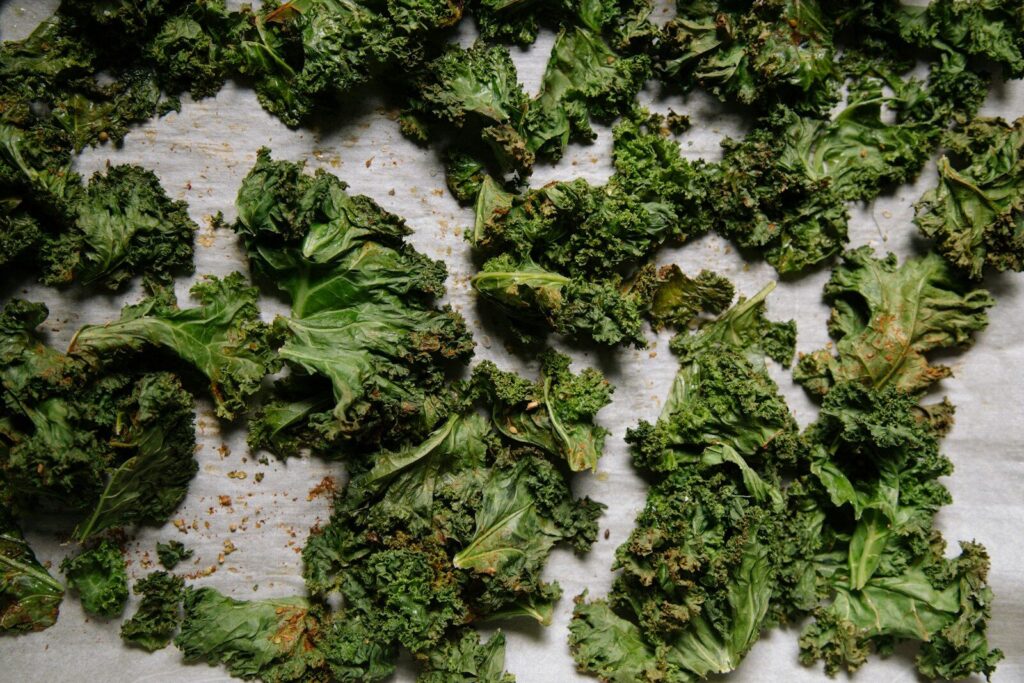
Discover the ultimate secret to a perfect crispy kale chips snack that your kids will actually love, saving you time and money every single week.
As a single mother navigating the chaotic waters of middle age, my daily life often feels like a balancing act on a very thin tightrope. Between managing a full-time job, keeping up with household chores, paying the bills, and trying to guide a headstrong teenager through high school, finding time for nutrition can feel like a luxury I simply cannot afford. There was a time when my pantry was stocked with cheap, processed snacks because they were quick, easy, and kept the peace. But as my body began to scream for real nourishment, and my budget stretched to its absolute limit, I knew something had to change. That was when my obsession with creating the perfect crispy kale chips began.
I still remember the first time I bought a tiny, beautifully packaged bag of vegetable snacks from a local health food store. It cost nearly as much as a whole gallon of milk, and my son devoured it in less than three minutes. When he asked for more, my heart sank. I could not support a five-dollar-a-bag habit on my single income, but I also did not want to discourage his sudden interest in green vegetables. I decided that afternoon that I would learn to make them myself. What followed was a series of soggy, limp disasters, burnt black leaves that smelled like scorched grass, and a lot of wasted produce. But through sheer determination and maternal stubbornness, I cracked the code.
Today, I am sharing the exact methodology, the tiny details, and the emotional journey that took me from a frustrated mother throwing away charred baking sheets to a household provider who always has a jar of the perfect crispy kale chips sitting proudly on the kitchen counter. If you are tired of throwing money away on soggy greens or expensive store-bought alternatives, this guide is written specifically for you.
The Budget Battle: Why I Had to Master the Perfect Crispy Kale Chips
When you are raising a family on a single income, every dollar has a name. Nutrition is often one of the first things to suffer when budgets get tight, simply because fresh produce can be expensive and carries the risk of spoilage. For years, I felt immense guilt about the lack of fresh greens in our diet. My teenager, like many of his peers, viewed anything green with deep suspicion. Salad was a chore to eat, steamed broccoli was met with sighs of despair, and spinach smoothies were out of the question.
When I discovered that baking kale transformed its tough, fibrous texture into a delicate, melt-in-your-mouth crunch, it felt like a culinary miracle. The nutritional value of this leafy green is undeniable. According to established nutritional databases, a single cup of raw kale contains more than the daily recommended value of vitamins A, K, and C. It is packed with antioxidants, calcium, and iron. However, raw kale can taste bitter and feel like chewing on cardboard if not prepared correctly.
By learning how to prepare the perfect crispy kale chips, I managed to convert a tough, unappealing vegetable into a snack that rivals the satisfying crunch of traditional potato chips, but without the empty calories, excess sodium, and unhealthy fats. More importantly, buying a bunch of fresh greens from the grocery store costs a fraction of the price of pre-packaged snacks. It is a massive victory for my wallet and my peace of mind as a parent.
The Anatomy of Kale: Choosing the Right Variety for Perfect Crispy Kale Chips
Before you even turn on your oven, your success depends heavily on the type of green leaf you bring home from the market. In my early days of trial and error, I assumed all greens were created equal. They are not. When you walk into the produce section, you will generally find two main varieties of this vegetable: curly kale and Lacinato (often called dinosaur or Tuscan) kale.
Curly kale is characterized by its tight, ruffled edges and bright green color. This is the variety I highly recommend for beginners trying to achieve the perfect crispy kale chips. The countless tiny folds and pockets are excellent at catching the oil and seasonings, and the curly structure allows air to circulate beautifully during the baking process, resulting in an incredibly airy crunch.
Lacinato kale, on the other hand, has flatter, darker, blue-green leaves with a bumpy texture. While it is delicious in soups and salads, its flat nature makes it trickier to bake into a chip. It tends to lay flat against the baking sheet, trapping moisture underneath and leading to the dreaded soggy center. For the absolute best results, stick to the curly variety. Look for bunches with firm, deeply colored leaves, and avoid any that show signs of yellowing or wilting, as moisture loss in the raw plant can lead to a bitter end-product.
Step-by-Step Instructions for the Perfect Crispy Kale Chips
Now, let us dive into the core technique. This is not just a recipe; it is a ritual. As a busy mother, I find a strange sense of therapy in this process. It is a quiet moment in my kitchen where I can focus on a simple task and guarantee a successful outcome. Follow these steps meticulously, and you will never have to deal with soggy greens again.
Step 1: The Art of the Wash and the Crucial Dry
If there is one single rule you must never break, it is this: your leaves must be bone-dry before they go into the oven. Water is the absolute enemy of crispiness. When trapped moisture heats up in the oven, it creates steam. Steam cooks the leaves instead of roasting them, leaving you with a limp, wet texture that is thoroughly unappetizing.
Start by filling your sink or a large bowl with cold water. Submerge the leaves and gently swish them around to remove any dirt or grit hidden in the curls. Once washed, tear the leaves away from the thick, woody stems. Do not use the stems; they are too tough to chew and will not crisp up. Tear the leaves into bite-sized pieces, keeping in mind that they will shrink to about half their size during baking.
Now comes the most important part: drying. I use a simple manual salad spinner to remove the bulk of the water. If you do not have one, you can wrap the leaves in a clean kitchen towel and shake them gently. After spinning, lay the pieces out in a single layer on dry kitchen towels or paper towels. Let them air-dry for at least thirty minutes. I often wash my greens in the morning before work and let them dry on the counter so they are ready for baking when I get home. This patience is what guarantees your perfect crispy kale chips.
Step 2: The Delicate Balance of Oil
Once your leaves are completely dry, transfer them to a large, clean bowl. Now, we add the oil. The common mistake here is using too much. A heavy hand with the oil container will weigh the leaves down, making them greasy and preventing them from reaching that delicate, paper-thin crunch.
For one large bunch of greens, you only need about one tablespoon of oil. I prefer using a high-quality extra virgin olive oil or avocado oil, which handles the heat beautifully. Drizzle the oil over the leaves. Now, use your hands. This is a sensory, tactile experience that you cannot rush. Gently massage the oil into every single nook, cranny, and curl of the leaves. You want every piece to have a very thin, barely visible glisten. If you see pools of oil at the bottom of your bowl, you have used too much.
Step 3: Seasoning for Maximum Flavor
While the leaves are lightly coated in oil, it is time to add your seasonings. If you add spices before the oil, they will not stick evenly and will clump together. If you are a purist, a simple pinch of fine sea salt is all you need. Fine salt is superior to coarse salt because it adheres better to the delicate curls.
Do not be afraid to get creative here. Since my teenager is a fan of bold flavors, I often divide the batch. One half gets the classic salt treatment, while the other half gets a generous sprinkle of nutritional yeast, which provides a wonderful, dairy-free cheesy flavor. Other fantastic options include garlic powder, smoked paprika, chili powder, or even a dash of cayenne pepper for a spicy kick. Toss the seasoned leaves gently to distribute the flavors evenly.
Step 4: Arranging the Baking Sheet
How you arrange your leaves on the pan is just as critical as how dry they are. Line a large baking sheet with parchment paper. This prevents sticking and helps absorb any residual moisture from the bottom of the leaves.
Spread the leaves across the baking sheet in a single, sparse layer. The golden rule of roasting vegetables applies here: do not crowd the pan. If the leaves are overlapping or piled on top of each other, they will trap steam and become soggy. If you have a large bunch, it is far better to bake them in two separate batches than to crowd them all onto one sheet. Give each piece its own personal space to breathe and crisp up.
Step 5: Low and Slow in the Oven
Many recipes online recommend baking at high temperatures like 375 degrees Fahrenheit (190 degrees Celsius) for a quick ten minutes. In my experience, this is a recipe for disaster. The delicate leaves burn in the blink of an eye at high temperatures, turning bitter and inedible.
Instead, adopt the “low and slow” philosophy. Preheat your oven to 300 degrees Fahrenheit (150 degrees Celsius). This lower temperature gently dehydrates the leaves while slowly roasting them, allowing them to become incredibly crispy without the risk of burning. Slide the baking sheet onto the middle rack of your oven.
Bake for 10 minutes, then carefully rotate the pan. Bake for another 8 to 10 minutes. Keep a very close eye on them during the last few minutes. You are looking for a beautiful, vibrant green color with slightly darkened edges. They should feel dry and paper-thin to the touch. Once they reach this stage, remove them from the oven immediately.
How to Store Your Perfect Crispy Kale Chips Without Losing Crunch
If you have followed all these steps, congratulations! You now have a gorgeous batch of the perfect crispy kale chips. But your job is not quite done yet. If you leave them sitting out on the counter, they will absorb the ambient moisture from the air and lose their crunch within an hour. Proper storage is key to preserving your hard work.
Allow the chips to cool completely on the baking sheet for about five to ten minutes. They will actually become even crispier as they cool down. Once they are at room temperature, transfer them gently to an airtight container. I highly recommend using a glass jar with a tight-fitting lid or a metal tin.
To ensure they stay fresh and dry for days, here is a professional secret: place a small piece of clean paper towel or a food-safe silica gel packet at the bottom of the container before adding the chips. This will absorb any tiny amounts of moisture that enter the container when you open it. Store the container in a cool, dark pantry. Properly stored, they can maintain their incredible crunch for up to a week, though in my house, they rarely last more than twenty-four hours!
Troubleshooting Your Perfect Crispy Kale Chips Disasters
Even with the best instructions, mistakes can happen, especially when you are distracted by a busy household. Here is a quick guide to understanding what went wrong and how to fix it for your next batch.
- The chips are soggy and limp: This is almost always caused by residual water on the leaves before baking, too much oil, or crowding the baking sheet. Ensure your leaves are completely dry, use only a single tablespoon of oil, and spread them out so they do not touch.
- The chips are brown, bitter, and taste burnt: The oven temperature was too high, or they were left in too long. Every oven is slightly different. Try lowering your oven temperature to 275 degrees Fahrenheit (135 degrees Celsius) next time and start checking them at the 15-minute mark.
- The seasoning is falling off: The seasoning was likely applied to dry leaves. Make sure you massage the oil onto the leaves first; the oil acts as a natural adhesive for the spices.
- They lost their crunch after storage: Moisture got into the container. You can easily revive them by spreading them back onto a baking sheet and popping them into a warm oven at 250 degrees Fahrenheit (120 degrees Celsius) for 3 to 5 minutes. They will crisp right back up.
My Personal Reflection: A Journey of Wellness and Connection
Looking back on the years of raising my son alone, I realize that the food we share is about so much more than simple sustenance. It is about the care and intention we put into our daily routines. Taking a humble, cheap bunch of greens and turning it into something delicious has been a metaphor for my life as a single mother. We take the raw, sometimes tough materials we are given, we wash away the grit, we handle them with care, and we transform them into something beautiful and strong.
Now, when we sit down on the couch on a Friday evening to watch a movie, there is no argument about snacks. We have our large glass jar filled with our homemade treats, boasting a crunch that rivals any store-bought junk food. I feel a deep sense of satisfaction knowing that I am protecting both my family’s physical health and our hard-earned household budget. It is a small victory, but in the life of a busy mother, those small victories are the ones that truly define our journey.
Frequently Asked Questions
How do I avoid soggy leaves and get perfect crispy kale chips every time?
The absolute key to avoiding soggy leaves is to ensure that the washed greens are completely bone-dry before you add any oil. Use a salad spinner and then let them air-dry on clean towels for at least 30 minutes. Additionally, make sure you do not overcrowd the baking sheet; the pieces should lie in a single, sparse layer so that hot air can circulate freely around them.
Why did my perfect crispy kale chips turn brown and taste bitter?
This happens when the baking temperature is too high or the chips are left in the oven for too long. Because these leaves are incredibly delicate, they can burn easily. To prevent this, bake them “low and slow” at 300 degrees Fahrenheit (150 degrees Celsius) and monitor them closely during the last few minutes of baking.
Can I make perfect crispy kale chips without using any oil at all?
While you can bake them without oil, they will tend to feel very dry, papery, and will lack the satisfying crunch and flavor depth of a traditional chip. The oil is also necessary to help your salt and spices stick to the leaves. If you are watching your fat intake, you can use a very light oil spray to keep the calories to an absolute minimum.
How can I store my perfect crispy kale chips so they stay crunchy for days?
Let the chips cool completely to room temperature first. Once cooled, place them in an airtight glass jar or metal container. Placing a small piece of clean paper towel or a food-safe silica gel packet at the bottom of the container will help absorb any excess moisture and keep your snacks crunchy for up to a week.
